
The role of gambling in different cultures around the world
Historical Significance of Gambling
Gambling has roots that stretch back to ancient civilizations, showcasing its rich historical significance. In many early societies, gambling was intertwined with rituals and belief systems, serving purposes beyond mere entertainment. Games of chance involving dice or betting on outcomes were often part of religious practices and community gatherings, reflecting the cultural values of the time.
For instance, in ancient China, games involving betting were documented as far back as 2300 BC, where they were often linked to fortune-telling. Similarly, the Romans incorporated gambling into their festivities, using it as a means to celebrate victories. As such, gambling has been woven into the historical fabric of societies around the world, shaping communal identities and social interactions.
Gambling as a Social Activity
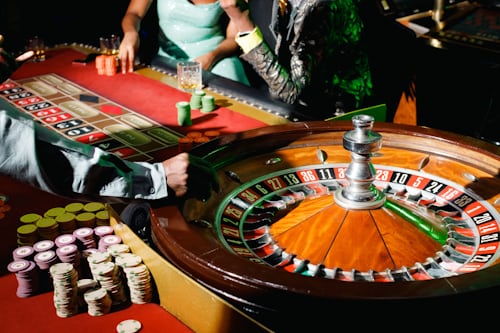
Beyond its historical roots, gambling functions as a vital social activity in many cultures. In places such as Italy and Spain, gaming houses serve as social hubs where friends and families gather to engage in traditional card games or lotteries. This communal aspect fosters connections, nurturing relationships while allowing for collective enjoyment of the game’s thrill.
Moreover, events like poker tournaments or betting pools during sports seasons bring communities together, merging the excitement of competition with social bonding. Thus, gambling transcends individual play, becoming a collective experience that strengthens social ties and provides an avenue for cultural exchange.
Regulations and Cultural Attitudes
Cultural attitudes toward gambling vary significantly from one region to another, influencing regulatory frameworks. In some countries, such as Australia and the United Kingdom, gambling is widely accepted and regulated, with government oversight ensuring fairness and responsible gaming. These nations have seen the growth of casinos, sports betting, and online gambling platforms, making it an integral part of their entertainment landscape.

Conversely, in other cultures, gambling is viewed negatively or even prohibited. In Islamic countries, for instance, gambling is forbidden due to religious doctrines that prioritize ethical conduct and discourage risk-taking behavior. This dichotomy illustrates how cultural perceptions shape laws and practices surrounding gambling, impacting both individuals and the economy at large.
Gambling in Entertainment and Media
The influence of gambling extends into the realms of entertainment and media, where it serves as a captivating subject for storytelling. Movies such as “Casino Royale” and shows like “High Stakes Poker” glamorize the allure of gambling, reflecting cultural fascination with risk and reward. Such portrayals often shape public perceptions and attitudes towards gambling, turning it into a pop culture phenomenon.
Additionally, this fascination translates into video games and interactive experiences, like the ice fishing casino game, where players can immerse themselves in virtual gambling worlds. This evolution highlights the continuing relevance of gambling in popular culture, further reinforcing its multifaceted role across different societies.
Conclusion and Resources
In summary, the role of gambling in various cultures is a complex tapestry woven from history, social interaction, regulatory frameworks, and media influence. As communities evolve, so too does the perception and practice of gambling, often adapting to fit contemporary values and norms. This dynamic interplay shapes not only individual experiences but also collective cultural identities.
If you’re curious to explore this realm further, websites dedicated to gaming insights and resources can offer valuable perspectives on the ever-changing landscape of gambling and its cultural implications. Engaging with these resources can provide a deeper understanding of how gambling continues to affect societies around the globe.
